Understanding and Utilizing Workflow Steps Charts for Enhanced Productivity
What is a Workflow Steps Chart?
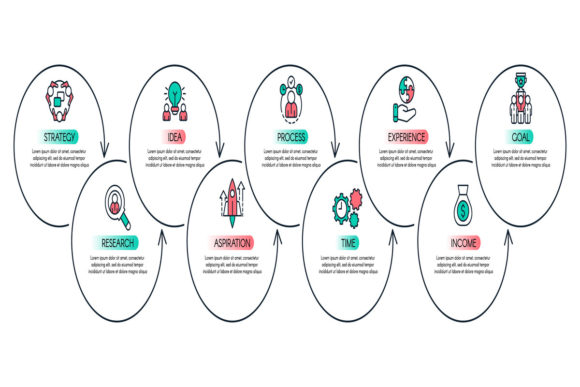
A Workflow Steps Chart is a visual representation that outlines the sequence of tasks, decisions, and activities involved in a specific process. This chart serves as a roadmap, guiding individuals and teams through the steps required to complete a project or task efficiently. It is particularly useful in business, education, and creative fields where clear, structured processes are essential for success.
Key Characteristics and Purpose
The primary purpose of a Workflow Steps Chart is to enhance clarity and efficiency in workflows. Key characteristics include:
- Visual Clarity: The chart uses simple, clean designs to make each step easy to understand at a glance.
- Sequential Layout: Tasks are arranged in a logical order, often with arrows indicating the flow from one step to the next.
- Decision Points: The chart highlights critical decision points, helping users make informed choices throughout the process.
Strengths and Practical Value
The practical value of a Workflow Steps Chart lies in its ability to streamline processes, reduce errors, and improve overall productivity. Here’s how it can be beneficial:
- Enhanced Communication: It provides a common reference point for team members, ensuring everyone is on the same page.
- Time Management: By clearly outlining each step, it helps in managing time more effectively, reducing delays and bottlenecks.
- Training Tool: New employees or team members can quickly grasp their roles and responsibilities by following the chart.
Real-World Performance and Usability
In real-world applications, a Workflow Steps Chart has proven to be a versatile tool. For instance, in a marketing campaign, the chart can outline the stages from brainstorming to execution, including content creation, review, and publication. This not only keeps the team aligned but also ensures that no step is overlooked.
Quality, Flexibility, and Consistency
The quality of a Workflow Steps Chart is evident in its design and usability. High-quality charts are flexible, allowing for customization to fit specific needs. They are also consistent, maintaining a uniform style that enhances readability and professionalism. The provided product file includes both a JPEG (72ppi) and an EPS10 format, making it easy to use in various settings. For detailed editing, using a vector editor like Adobe Illustrator is recommended.
Who Can Benefit Most?
Professionals, entrepreneurs, and small business owners can benefit significantly from a Workflow Steps Chart. It is especially useful for:
- Project Managers: To oversee and manage complex projects with multiple stakeholders.
- Marketers: To plan and execute campaigns with precision and efficiency.
- Educators: To create and follow structured lesson plans and administrative processes.
Professional Observations and Recommendations
From a professional standpoint, a Workflow Steps Chart is a valuable asset for anyone looking to optimize their processes. However, it's important to tailor the chart to your specific needs. Regular updates and feedback loops can help in refining the chart over time, making it even more effective. Additionally, while the chart provides a structured approach, it's crucial to remain adaptable and open to changes as needed.
Possible Limitations
While highly beneficial, a Workflow Steps Chart may have some limitations. For example, overly rigid adherence to the chart can stifle creativity and flexibility. It's also important to ensure that the chart is kept up-to-date to reflect any changes in the process. Lastly, while the chart is a powerful tool, it should be used in conjunction with other management and communication tools for optimal results.
Overall, a Workflow Steps Chart is a practical and effective tool for enhancing productivity and streamlining processes. By understanding its strengths and potential limitations, you can leverage this resource to achieve greater efficiency and success in your projects and workflows.