Understanding Diabetes Symptoms and Preventing Obesity
Diabetes is a chronic condition that affects how your body processes blood sugar (glucose). There are two main types of diabetes: Type 1 and Type 2. Both can lead to serious health complications if not managed properly. Recognizing the symptoms early and taking preventive measures, especially against obesity, can significantly improve your quality of life.
Recognizing the Symptoms of Diabetes
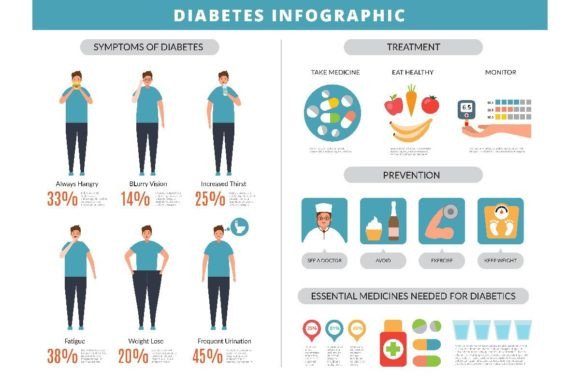
Diabetes symptoms can vary, but there are some common signs to look out for. These include frequent urination, excessive thirst, extreme hunger, unexplained weight loss, fatigue, blurred vision, and slow-healing sores or frequent infections. If you experience any of these symptoms, it's important to consult a healthcare provider for a proper diagnosis.
Type 1 Diabetes Symptoms
Type 1 diabetes is often diagnosed in children and young adults. It occurs when the pancreas produces little or no insulin. Common symptoms include:
- Frequent urination: The body tries to eliminate excess glucose through urine.
- Excessive thirst: Increased urination can lead to dehydration, causing intense thirst.
- Extreme hunger: Despite eating, the body cannot efficiently use glucose for energy.
- Unexplained weight loss: As the body starts to break down fat and muscle for energy, unintended weight loss may occur.
Type 2 Diabetes Symptoms
Type 2 diabetes is more common and typically develops in adulthood. It occurs when the body becomes resistant to insulin or doesn't produce enough. Symptoms may be milder and develop more slowly, including:
- Tiredness: High blood sugar levels can cause fatigue and tiredness.
- Blurred vision: High glucose levels can affect the eyes and cause vision problems.
- Slow-healing sores: High blood sugar can impair the body's ability to heal wounds.
- Yeast infections: Women with type 2 diabetes may experience more frequent yeast infections.
The Link Between Obesity and Diabetes
Obesity is a significant risk factor for developing type 2 diabetes. Excess body fat, particularly around the abdomen, can lead to insulin resistance, making it harder for the body to use insulin effectively. This, in turn, can cause high blood sugar levels and eventually lead to diabetes.
Preventing Obesity to Reduce Diabetes Risk
Preventing obesity is a key step in reducing the risk of type 2 diabetes. Here are some practical tips to help you maintain a healthy weight:
- Eat a balanced diet: Focus on whole grains, lean proteins, healthy fats, and plenty of fruits and vegetables. Avoid processed foods and sugary drinks.
- Stay physically active: Aim for at least 150 minutes of moderate-intensity aerobic activity or 75 minutes of vigorous-intensity activity per week. Incorporate strength training exercises as well.
- Monitor portion sizes: Be mindful of how much you eat. Use smaller plates and avoid going back for seconds.
- Get enough sleep: Lack of sleep can disrupt hormones that control appetite, leading to overeating. Aim for 7-9 hours of quality sleep per night.
- Manage stress: Chronic stress can contribute to overeating and weight gain. Find healthy ways to manage stress, such as meditation, yoga, or deep breathing exercises.
Understanding the Impact on Your Health
Both diabetes and obesity can have a significant impact on your overall health. Diabetes can lead to serious complications, including heart disease, kidney damage, nerve damage, and eye problems. Obesity, on its own, is also linked to a range of health issues, including heart disease, stroke, and certain types of cancer.
Protecting Your Kidneys and Other Organs
One of the most critical organs affected by both diabetes and obesity is the kidneys. High blood sugar and high blood pressure can damage the blood vessels in the kidneys, leading to kidney disease. To protect your kidneys, it's essential to:
- Control your blood sugar: Regularly monitor your blood glucose levels and follow your healthcare provider's recommendations for managing diabetes.
- Manage your blood pressure: High blood pressure is a major risk factor for kidney disease. Follow a low-sodium diet and take prescribed medications as directed.
- Stay hydrated: Drinking plenty of water helps your kidneys function properly and flush out waste products.
- Avoid smoking and limit alcohol: Smoking and excessive alcohol consumption can further damage your kidneys and other organs.
Infographics and Visual Aids
Visual aids, such as infographics, can be incredibly helpful in understanding complex health information. Infographics can illustrate the relationship between diabetes, obesity, and their impact on various organs, making it easier to grasp the importance of prevention and management. You can find many useful infographics and templates online, which can be customized to fit your specific needs.
Creating Your Own Infographic
If you're interested in creating your own infographic, here are some steps to follow:
- Choose a clear and concise message: Decide on the key points you want to communicate. For example, you might focus on the link between obesity and diabetes, or the importance of regular exercise.
- Select a template: Use a vector-based design tool or an infographic template to start. Many online platforms offer free and paid templates that you can customize.
- Add relevant data and visuals: Include statistics, charts, and images that support your message. Make sure the data is accurate and from reliable sources.
- Use a consistent color scheme and font: Choose colors and fonts that are easy to read and visually appealing. Consistency will make your infographic more professional and engaging.
- Review and share: Once your infographic is complete, review it for accuracy and clarity. Share it on social media, your website, or in educational materials to help spread awareness.
Conclusion
Understanding the symptoms of diabetes and taking steps to prevent obesity are crucial for maintaining good health. By recognizing the signs early, managing your weight, and protecting your organs, you can reduce the risk of developing serious complications. Visual aids like infographics can be a powerful tool in educating yourself and others about these important health issues. Stay informed, stay active, and stay healthy!